

















 Customer Dispute Resolution Page
 Help Center
 Affiliate Program








What Is A Mystery Bounty Tournament?
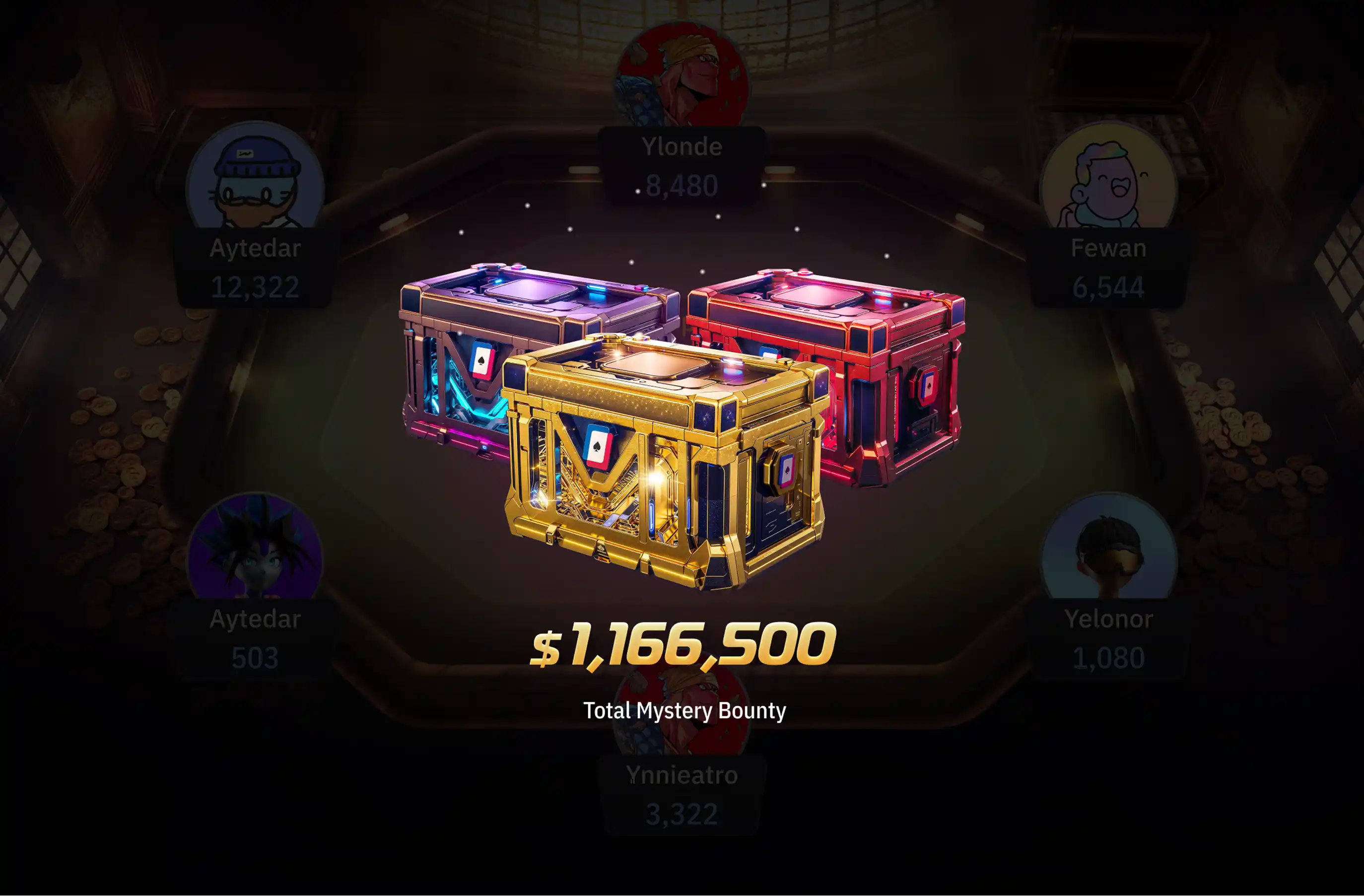
A Mystery Bounty Tournament is a poker tournament where you earn bounties for eliminating opponents. But, there's a twist. Unlike in other bounty tournaments like a PKO tournament (progressive knockout tournaments) the bounty value is secret, only revealed after the knockout.
From small wins to giant jackpots, these mystery bounties add an element of surprise and anticipation to every elimination. It's poker, amplified.
Can Beginners Play Mystery Bounty Tournaments?
Mystery Bounty tournaments are suitable for players of all skill levels. Don't let experience intimidate you!
Here's why:
- Equal opportunity: Random bounties mean any player can win big with a single knockout. Luck plays a significant role, leveling the playing field.
- Reduced pressure: The element of chance shifts the focus from pure skill. In turn, it's a less intimidating environment for new players.
- Instant excitement: Every elimination is a potential jackpot. Beginners can experience the thrill of massive wins right from the start.
Mystery Bounty Tournaments offer the perfect starting point for any poker player. All you need is a bit of luck, skill and the right Mystery Bounty strategy.
How Do Mystery Bounty Tournaments Work?
A Mystery Bounty Tournament has the same structure as a Multi-Table Tournament (MTT). It begins with several tables and continues until only one is left.
The biggest difference: the bounty system.
Here's how it works:
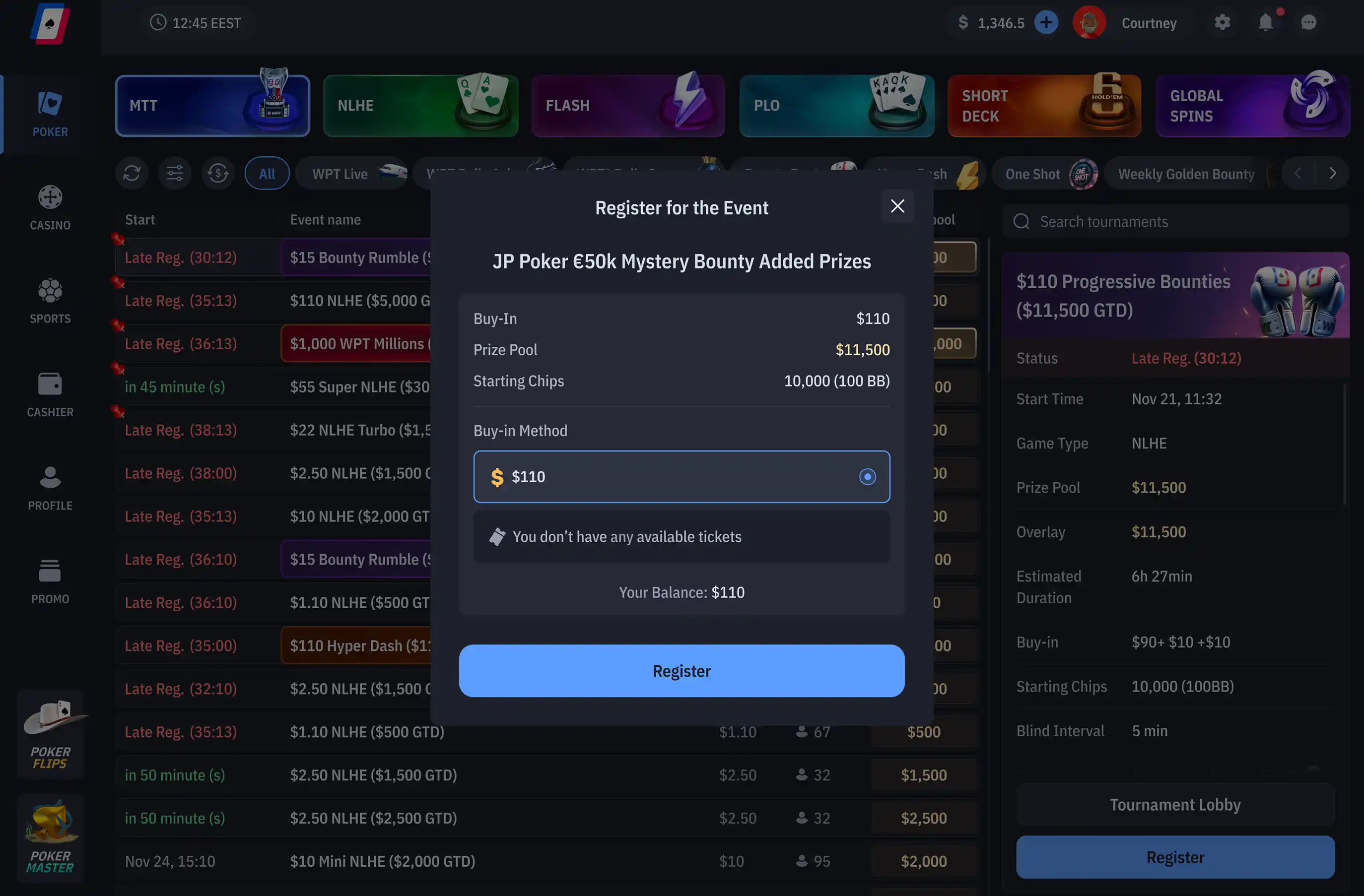
- Buy-ins: Every player pays a fixed buy-in (entry fee). This fee is split (usually 50/50)—half fuels the regular prize pool, half funds the mystery bounty pool. Example: a $20 buy-in means $10 for each pool.
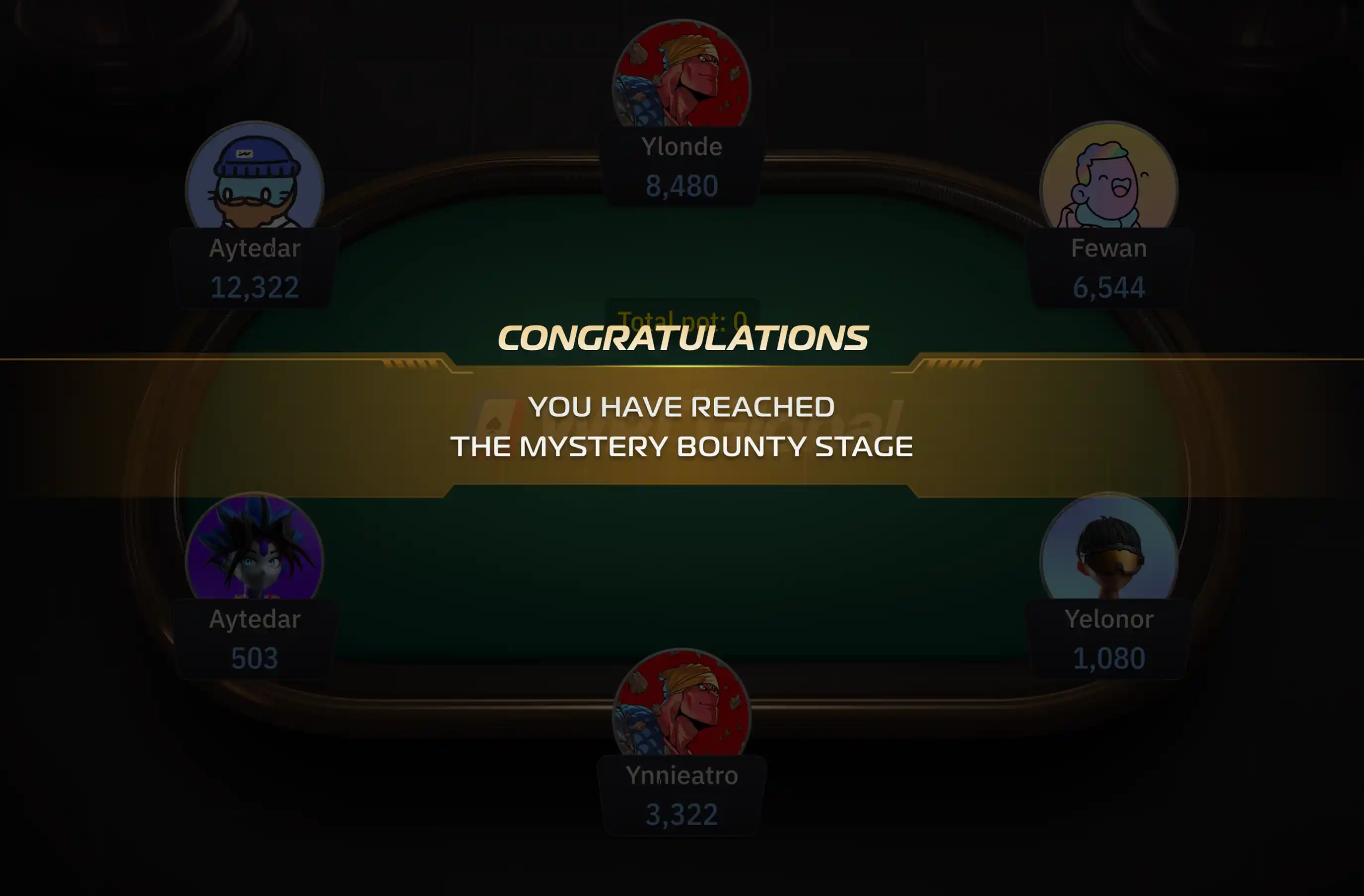
- Bounty phase: The "bounty phase" initiates at a set point. This is typically after late registration ends. From this moment, players start collecting mystery bounties by eliminating other players.
- Elimination and bounty reveal: You eliminate an opponent, you receive a bounty ticket. This ticket reveals your random bounty prize immediately—instant gratification at its core.
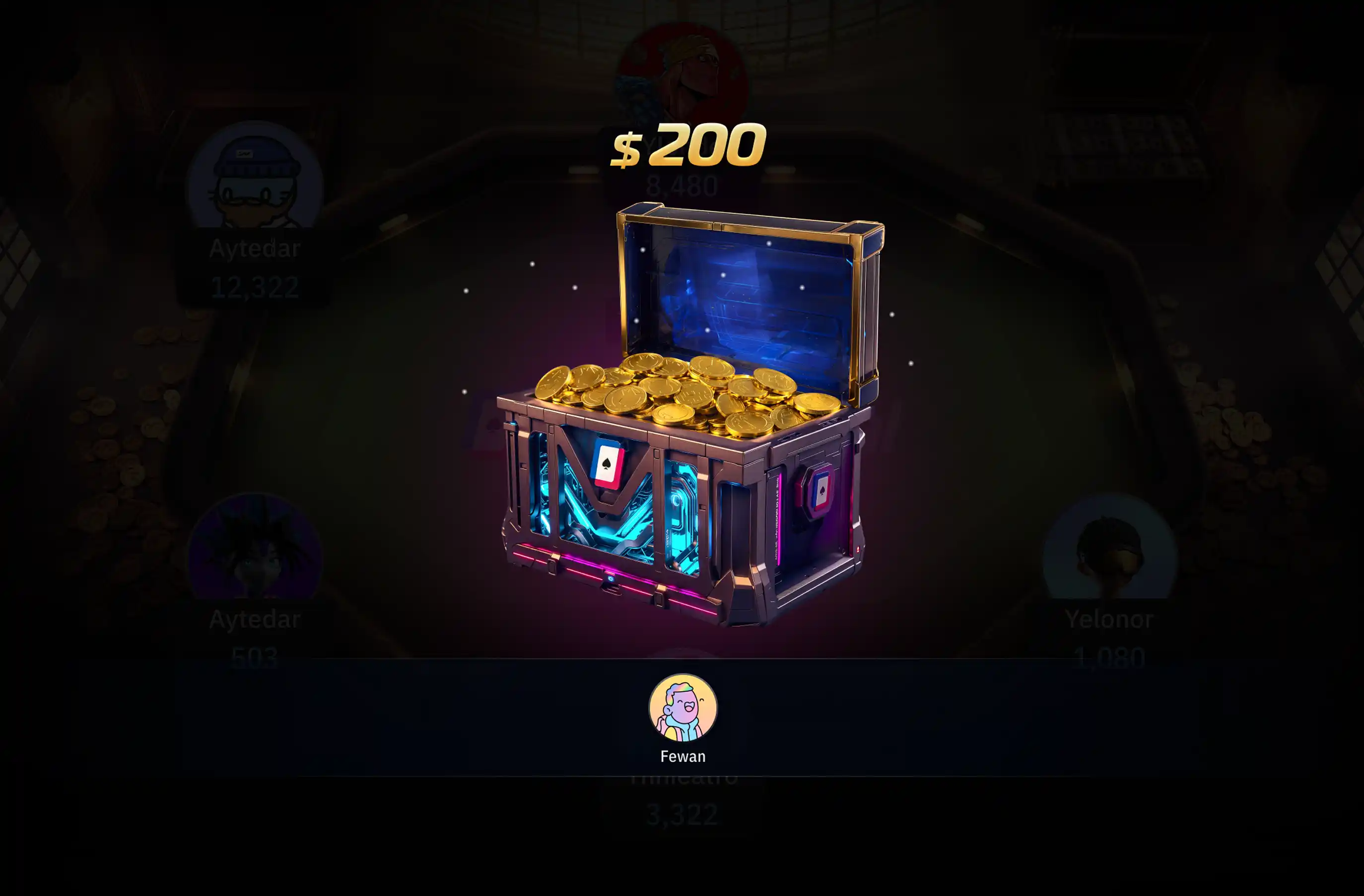
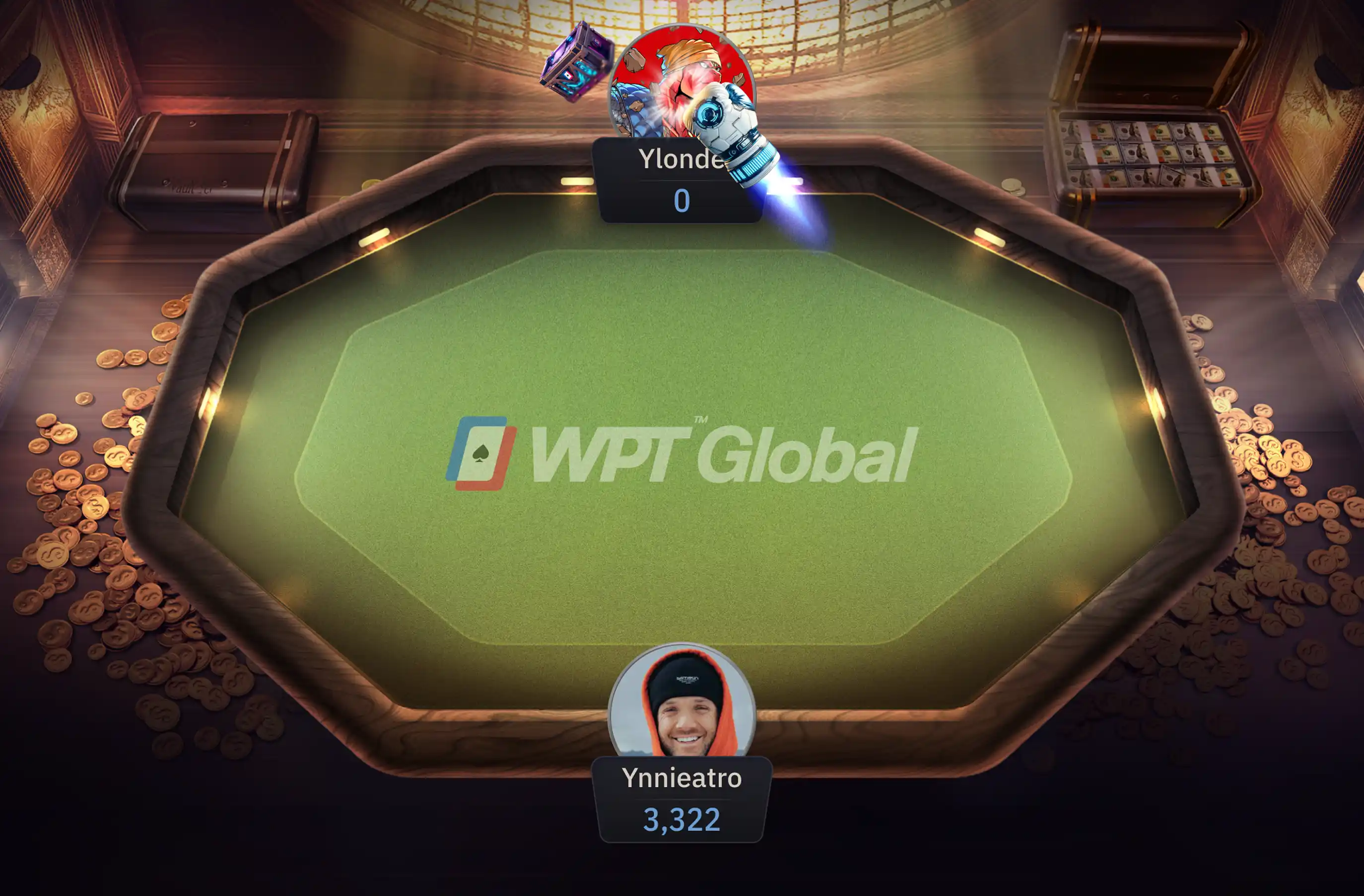
- Final table: As with all MTTs, players are eliminated until there's one table left. Players battle until a single winner remains.
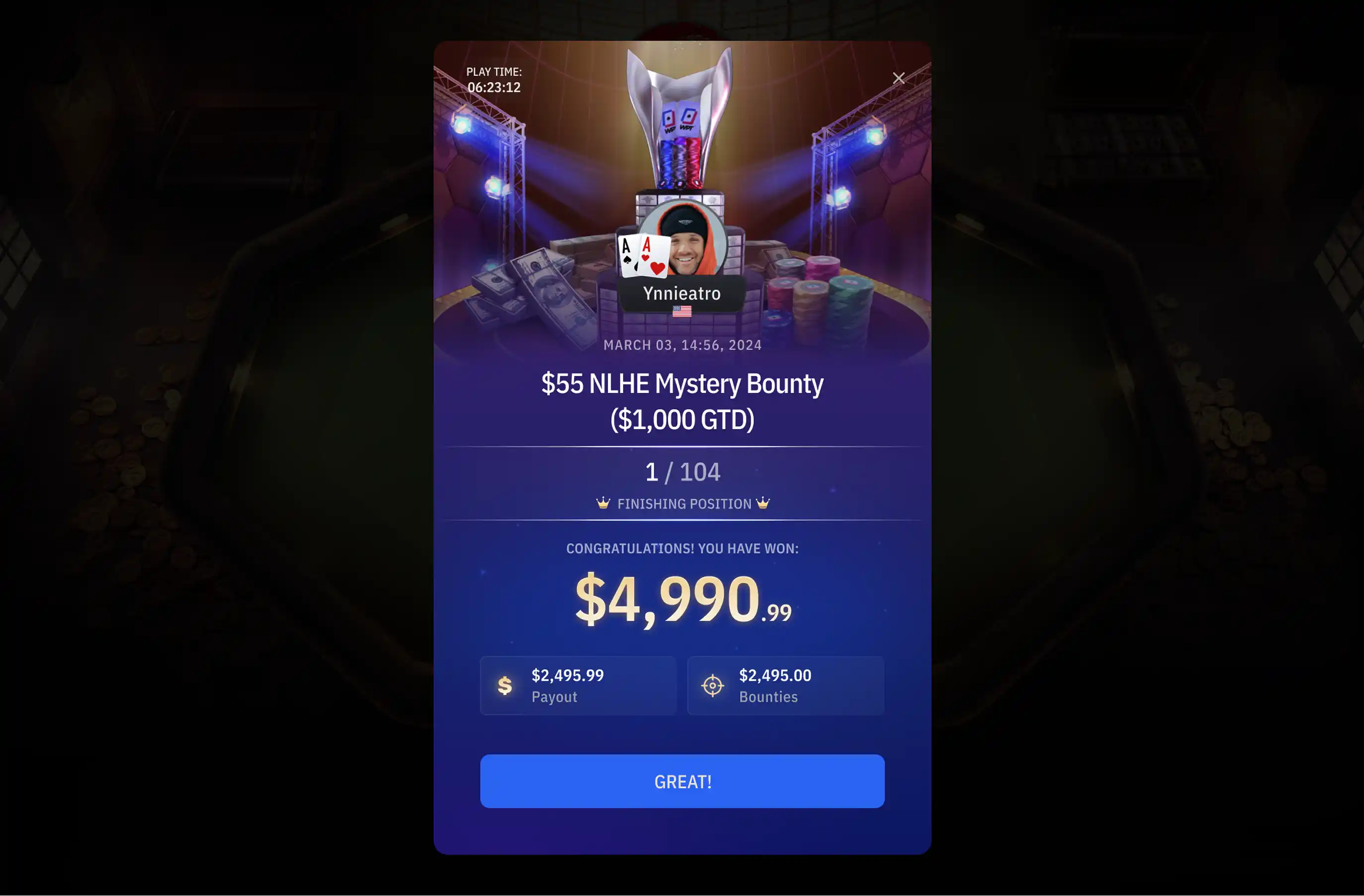
- Prize pool distribution: At the end of the tournament, the prize pool is distributed between the winner and the top finishers. The winner takes the largest amount.
Types Of Poker Played In Mystery Bounty Tournaments
When you enter a Mystery Bounty Tournament, expect No-Limit Texas Hold'em (NLHE). It's the dominant format, and for good reason. NLHE's aggressive nature and frequent eliminations drive the bounty phase's excitement. It's unmatched by other poker variants.
While Pot-Limit Omaha occasionally appears, NLHE is the standard. So, learning the ropes of No-Limit Hold'em is your first step to conquering Mystery Bounty Tournaments.
Mystery Bounty Tournaments: The Perks
Beyond the excitement of the unknown, Mystery Bounty Tournaments offer distinct benefits:
- Potential for big wins: In Mystery Bounties, you're not solely reliant on finishing in the money. Even if you miss the final table, a single elimination could trigger a mega jackpot. Every hand presents a chance for a substantial profit.
- Level playing field: The random bounty distribution levels the playing field. Skill remains crucial, but luck plays a significant role. This means a beginner, armed with basic strategy and a bit of fortune, can compete with seasoned veterans.
- Constant action: The bounty phase intensifies the action, forcing players to adopt more aggressive strategies. More hands played, more eliminations, and a more engaging experience.
Pro Tips For Mystery Bounty Tournaments
Luck plays a big role in Mystery Bounty Tournaments, but strategy is equally important. Here are some expert tips to help you maximize success and claim plenty of bounties:
- Accumulate chips: In the early stages, prioritize accumulating chips without unnecessary risks. A substantial chip stack is your advantage when the bounty phase begins.
- Get aggressive during the bounty phase: When the bounty phase begins, shift gears. Aggressive play is essential to secure eliminations. Embrace calculated risks to maximize bounty acquisition.
- Target shorter stacks: Focus on eliminating players with a small number of chips. They're more likely to commit their chips, presenting easier elimination opportunities.
- Get familiar with the payout structure: Before entering a tournament, review the payout structure. Understand the buy-in and prize distribution to optimize your decision-making.
- Watch your opponents closely: Whether live or online, observe your opponents' betting patterns. Aggressive actions often indicate strength, while hesitation suggests weakness. Use this information to inform your decisions.
- Maintain composure: Mystery Bounty Tournaments are inherently volatile. Maintain composure throughout. Execute your strategy with precision. Don't let emotional decisions undermine your progress.
- Don't focus solely on bounties: While bounties are enticing, maintain a strategic balance. Don't sacrifice your tournament position for marginal gains of the bounty prize pool. The primary prize pool remains a significant objective.
How to Play Mystery Bounty Poker Tournaments: Step-by-Step Strategy with Real Hand Examples
Each phase of a Mystery Bounty tournament requires a different approach. We've broken it down step by step for you, with real hand examples tailored to this unique format.
Early Stage Strategy
Goal: Build a solid chip stack while avoiding reckless plays—bounties don’t come into play yet.
Key Moves:
- Play a tight range—focus on strong hands like AA, KK, QQ, and AK.
- Avoid high-variance spots—you’re not bounty hunting yet, so don’t take marginal risks.
- Exploit loose players who overvalue bounties too soon.
- Pay attention to who is building big stacks—they’ll be dangerous bounty hunters later.
Example Hand Play:
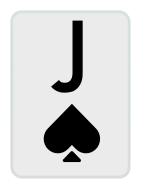
- You hold:in early position

- Blinds: 50/100
- Pre-flop action: You raise to 2.5x BB. Button and BB call.
- Flop: 9♣ 6♦ 2♥ (dry board)
Best Move: C-bet 50% of the pot—you want to deny equity to overcards. - Turn: 4♠
Best Move: Continue betting 40-50% pot unless faced with heavy aggression. You’re ahead of most hands. - River: 3♦
Best Move: Check-call reasonable bets—if an opponent was chasing a straight, they got there, but most hands you beat will check back. - Outcome: You scoop the pot without unnecessary risk. No need to go bounty-hunting yet!
Mid Stage Strategy (Bounties Begin – Choose Your Spots Wisely)
Goal: Shift gears once bounties come into play (usually after late registration closes).
Key Moves:
- Target short stacks—players with bounties become valuable knockout opportunities.
- Widen your calling range against short stacks going all-in—if the bigger bounties are yet to be won, they're worth chasing!
- Don’t over-commit just for a bounty—a bad call can cripple your stack and kill your deep-run potential.
- Use ICM pressure—players with big stacks can bully those trying to survive to a bounty phase.
Example Hand Play:
- You hold:in the hijack
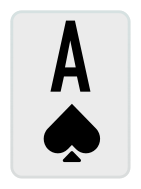

- Blinds: 600/1,200 (150 ante)
A short stack (9BB) goes all-in. You cover them, and they have a bounty. - Best Move: Call wide when the bounty equity is high. If there's a chance of winning one of the bigger bounties, calling with hands like A-Q, A-J, or even K-Q can be profitable.
- Board Runs Out: A♥ 7♣ 4♦ 8♠ 2♦
You win the hand AND collect the mystery bounty, which turns out to be 5x your buy-in!
Late Stage Strategy (Bounty Hunting & Final Table Play)
Goal: Adjust your play based on bounty values and payout jumps.
Key Moves:
- Pressure mid-stacks—they’re scared of busting before collecting a bounty.
- Short stacks should gamble more—your bounty equity makes taking flips profitable.
- Pay attention to bounty payouts—a high-value bounty might justify taking higher-risk plays.
Example Hand Play:
- You hold:on the button

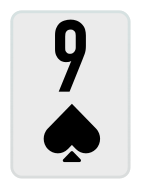
- Blinds: 50,000/100,000 (10,000 ante)
- Opponent: A big stack in the BB covers everyone and has been aggressive.
- Pre-flop Action: You raise to 2.2x BB.
BB shoves all-in. - Do you call?
- If there's a chance of winning one of the bigger bounties, calling becomes correct even if you're slightly behind in chip EV.
- If there are only small bounties left to win, you can fold and wait for better spots.
Final Table Strategy (Playing for Bounties & Big Payouts)
At the final table, bounties can be HUGE, but so are pay jumps.
Key Adjustments:
- Big stacks can apply pressure—force medium stacks to fold and collect bounties.
- ICM becomes crucial—don’t call all-ins just for bounties if pay jumps are big.
- Short stacks should shove aggressively—you might get called by worse hands looking for your bounty.
Example Hand Play:
- You hold:in the small blind
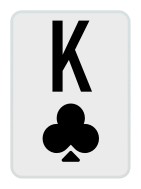
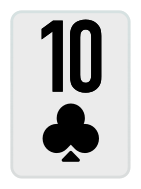
- Blinds: 250,000/500,000 (50,000 ante)
- Action: Button shoves 7BB all-in, and they have one of the biggest bounties left.
- Easy Call! Even if you’re behind, the bounty equity makes it worth the gamble.
- You win and collect a bounty worth 10x the buy-in!
Bankroll Management For Mystery Bounty Tournaments
Mystery Bounty Tournaments are a blast, but they also present some unique challenges. For example, the added element of random bounties increases the variance. So, your results can swing wildly even if you're playing well. Therefore, a solid bankroll strategy isn't optional—it's mandatory.
Bankroll Allocation
Implement a conservative bankroll allocation for Mystery Bounty Tournaments. A good guideline is to have at least 50-100 buy-ins. Example: a $10 buy-in tournament requires a bankroll of $500 to $1,000. This buffer protects you from the inevitable swings of the format.
Buy-In Levels
Stick to buy-in levels that fit within your bankroll guidelines. Don't be tempted to play higher stakes just for the potential of big bounties.
Smaller Fields
For beginners, prioritize tournaments with smaller fields. Reduced player counts minimize variance and provide a more consistent experience. This allows you to develop your skills and build confidence without extreme volatility. Smaller fields provide a controlled environment to learn and grow.
Variance Acknowledgement
Variance is a fundamental component of the Mystery Bounty format. Even with optimal play, results can fluctuate. A robust bankroll cushions these fluctuations, allowing you to maintain a long-term perspective.
The Difference Between Online & Live Mystery Bounty Poker Tournaments
Both online and live Mystery Bounty Tournaments are highly sought-after within the world of poker. Whether you take a seat at a physical or virtual table, the experience is sure to be electrifying. Yet, there are some key differences between the two, such as:
Mystery Bounty - Online Tournaments
- Bounties are revealed automatically, ensuring immediate feedback.
- Online platforms like WPT Global offer a wide range of tournaments with varying buy-ins and prize pools.
- Automated dealing and actions significantly increase the speed of play, maximizing hands per hour.
- Online play allows simultaneous participation in multiple tournaments.
Mystery Bounty - Live Tournaments
- Players physically collect bounty prizes, often in the form of sealed envelopes or tickets. This adds a tangible element to the play.
- The live atmosphere adds a social element to the game.
- Live play allows for direct observation of opponents. This allows you to detect physical tells and behavioural patterns.
Download the WPT Global app today and jump right into the action. Experience the best of Mystery Bounty Tournaments and claim your 100% Cashback Welcome Offer, up to $3,000.