








 Customer Dispute Resolution Page
 Help Center
 Affiliate Program







What Is A Progressive Knockout (PKO) Poker Tournament?
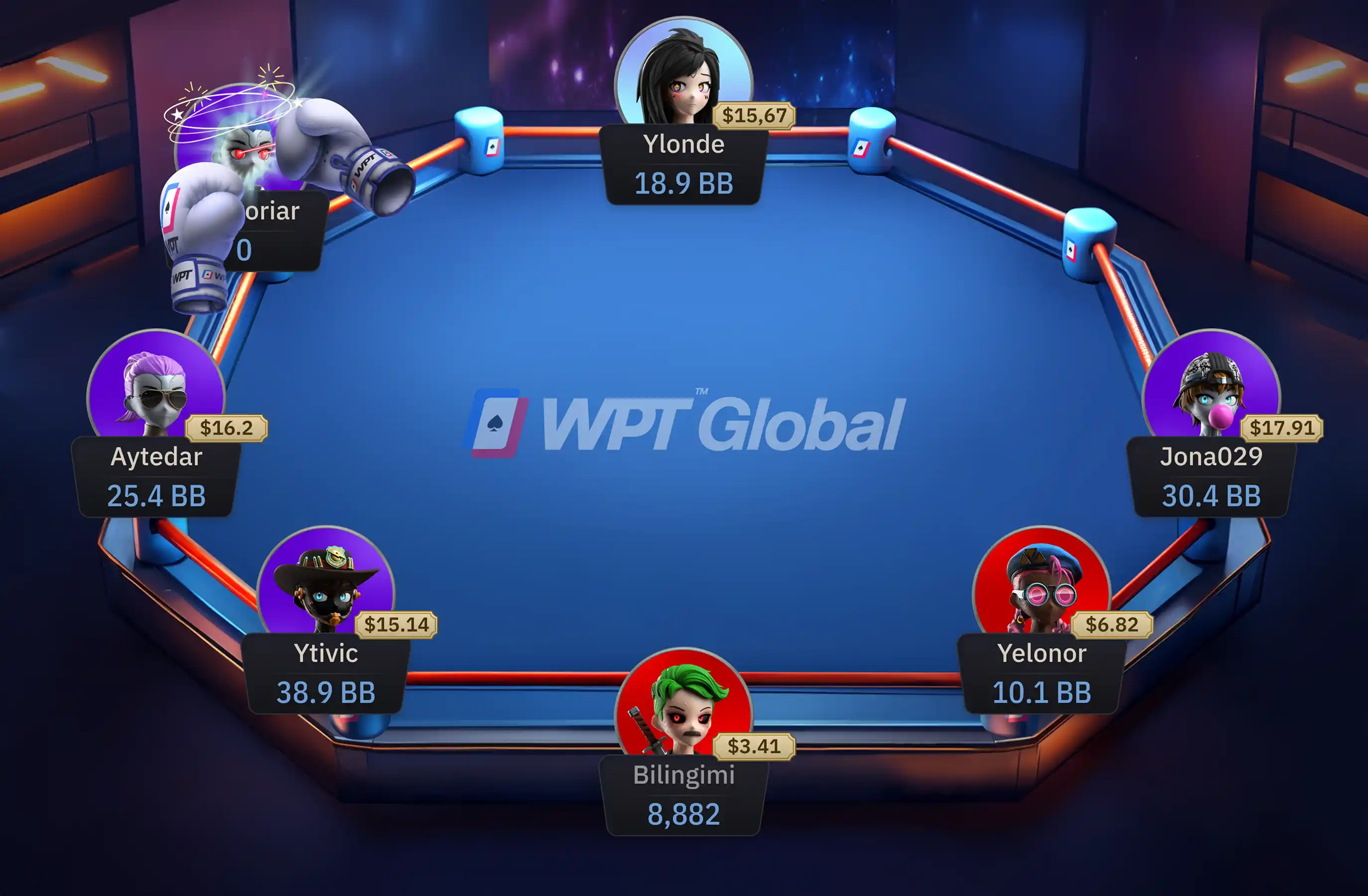
A Progressive Knockout (PKO) Poker Tournament is a type of bounty tournament where players win cash for eliminating others, but part of the bounty is awarded immediately and part is added to the eliminator's bounty. This means that as the player knocks out more opponents, their own bounty is increased and makes them a more attractive target.
What Is the Difference between a PKO and a Regular MTT?
The main difference between a Progressive Knockout (PKO) tournament and a Multi-Table Tournament (MTT) is that PKO tournaments put a price on the head of every player knocked out, while in regular MTTs, the only way to win prizes is from the regular prize pool.
In PKOs, each player knocked out wins you half that player's bounty, with the other half added to your own bounty. This escalation means bounties grow throughout the tournament. Each elimination turns into a higher-stakes hunt.
Can Beginners Join PKOs?
Players of any skill level can join a PKO tournament. With fast cash and action, PKOs provides an exciting entry point to tournament poker.
Plus, PKO tournaments typically have more variance than other types of tournaments. This means you usually experience bigger swings in a short period of time. As a result, beginners can win a lot of money with a few well-timed knockouts.
But remember: you can lose just as quickly. So, a well-planned strategy is key.
How PKOs Work
PKO poker tournaments are relatively straightforward. Still, there are a few things you need to know before you start conquering the tables. Here's how they work:
- Buy-in and bounty: Your entry fee (buy-in) is split. A portion fuels the standard prize pool, distributed to top finishers. The remaining amount becomes your initial bounty, a price on your head. For example: $100 buy-in = $50 prize pool + $50 bounty.
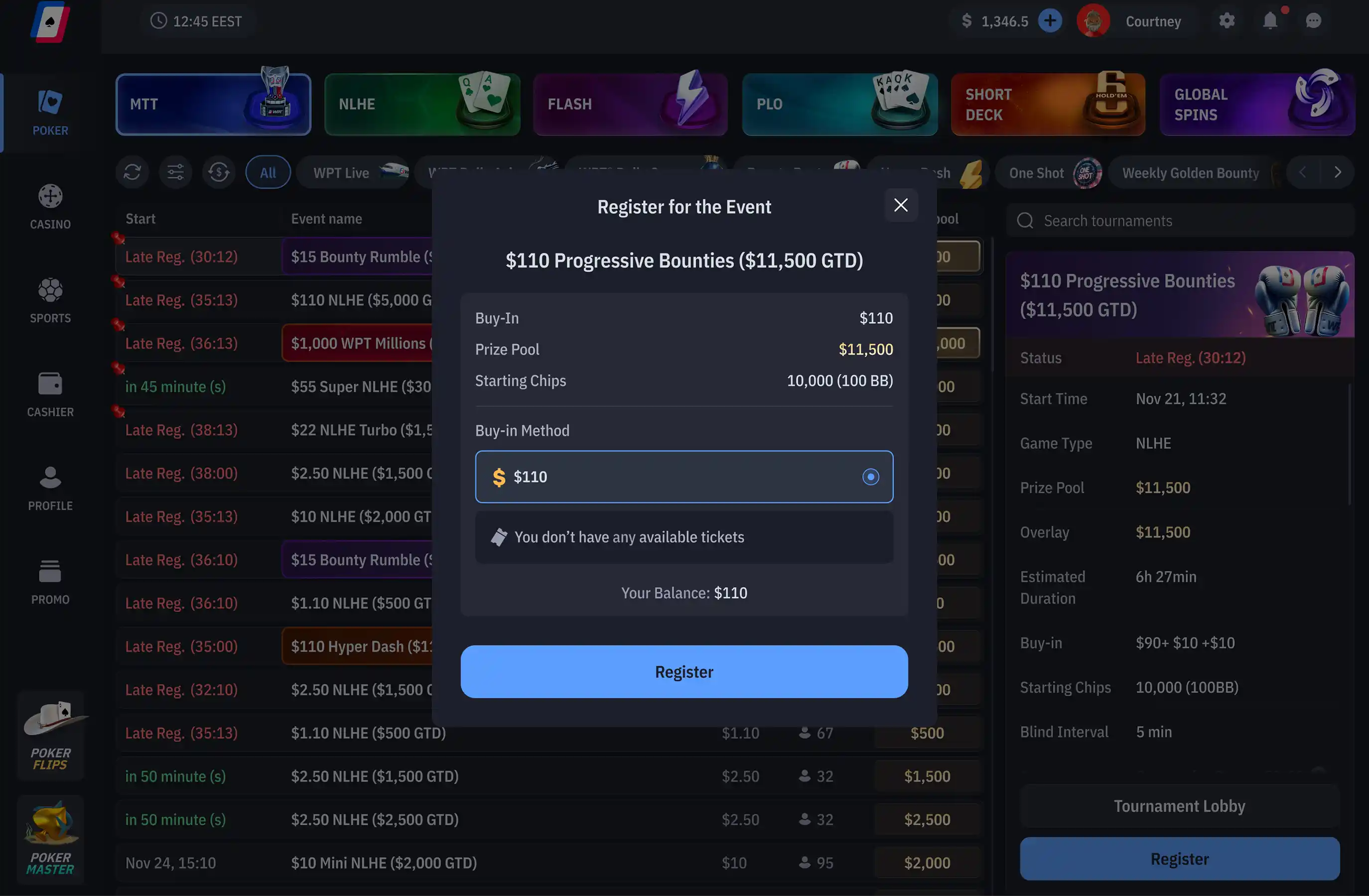
- Eliminating players: When a player's chip stack hits zero, they're eliminated. The player who won the final hand claims half of the eliminated player's bounty as immediate cash.
- Knockout and bounty award: The other half of the eliminated player's bounty is added directly to the eliminator's own bounty. Now, they're a more valuable target to try to eliminate.
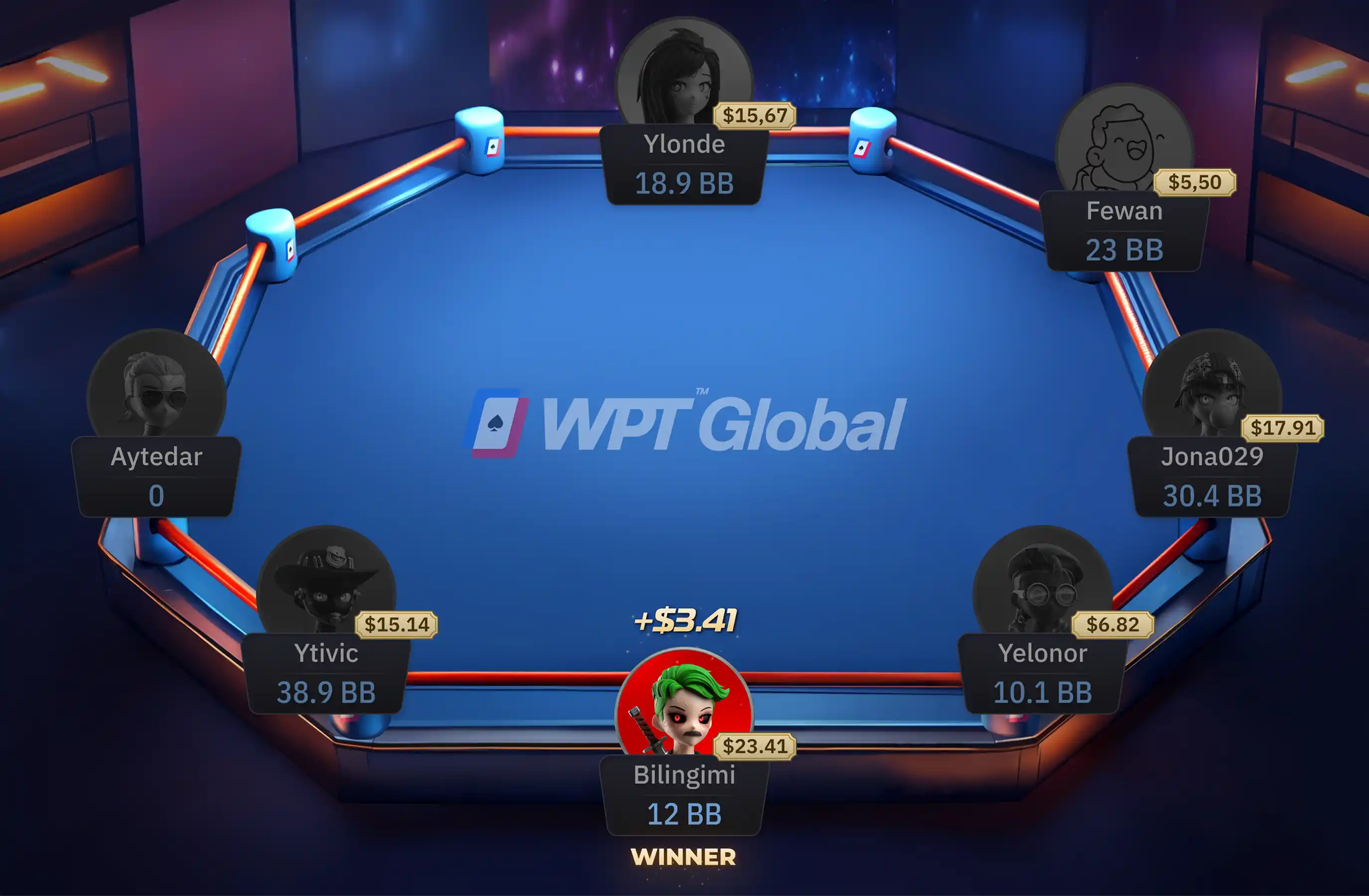
- Progressive bounties: As more players are eliminated, the average bounty size increases dramatically. So, by the later stages, individual bounties often exceed the value of standard prize pool payouts. This creates a shift in strategic focus.
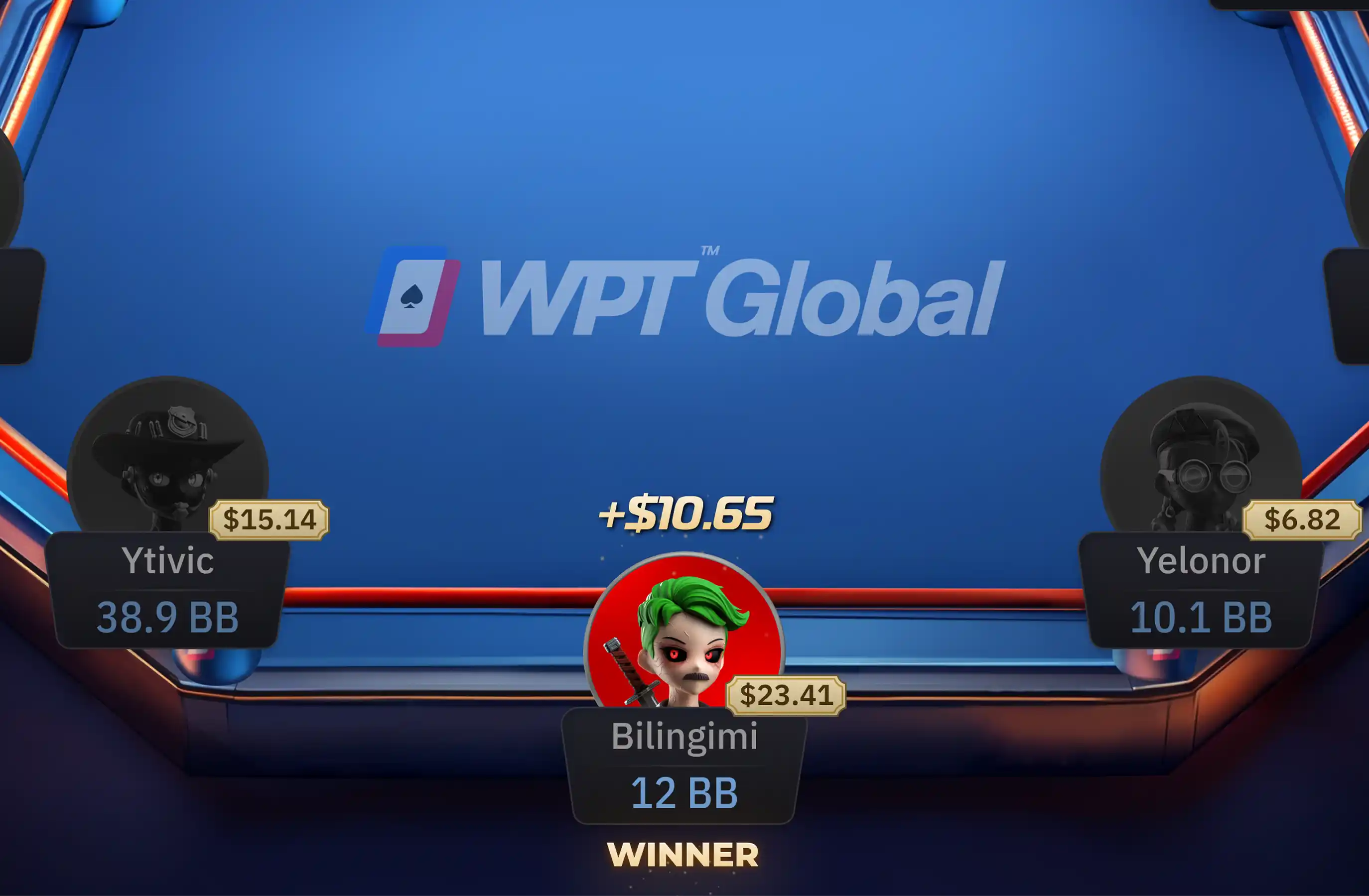
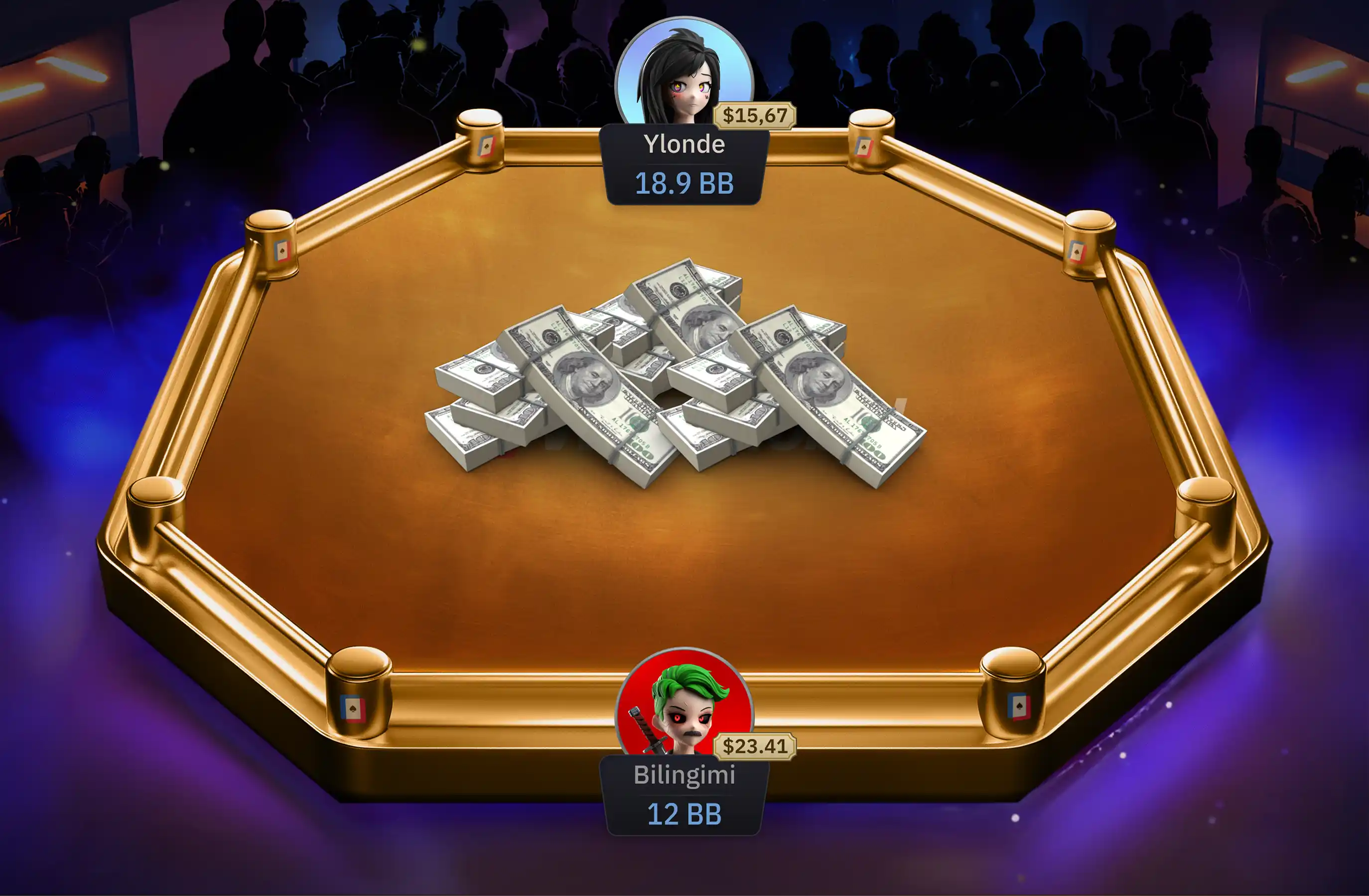
- The final table: The tournament continues until only two players remain. The winner takes all remaining bounties and the top prize.
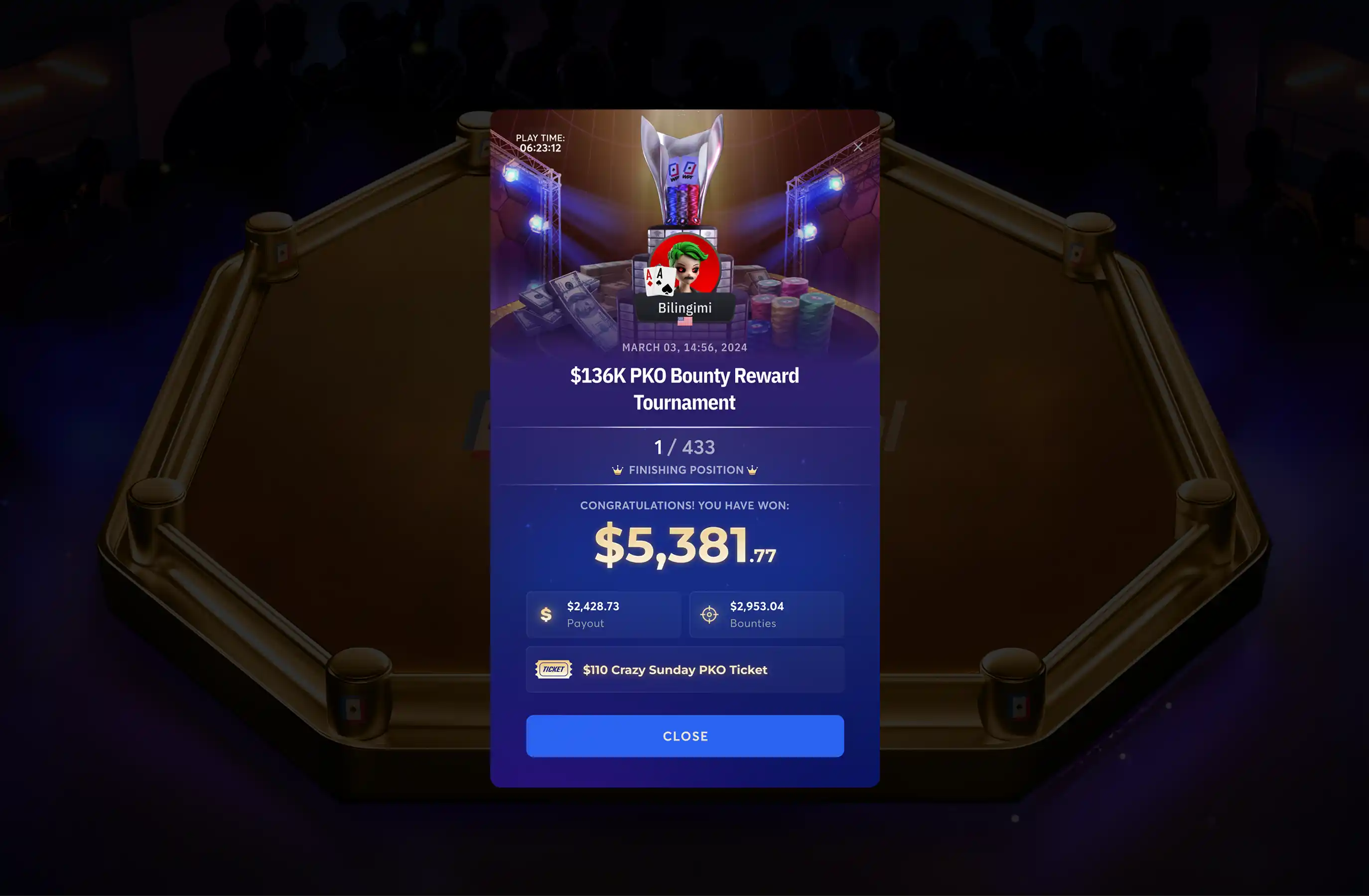
- Prize pool distribution: As in standard MTTs, the prize pool is often shared between the top-finishing players. Let's say there are 200 players, and the tournament pays out to the top 10% of players. 20 players get a share of the prize pool, with the final two players taking the lion's share.
Types Of Poker Played In Progressive Knockout Tournaments
PKOs aren't limited to one game. Here are the main arenas:
- No-Limit Texas Hold'em (NLHE): No-Limit Texas Hold'em is standard for most PKO tournaments. Its aggressive nature and large prize pots make it perfect for bounty hunting.
- Pot-Limit Omaha (PLO): Although less common than NLHE, Pot-Limit Omaha offers a higher variance with more action. Four cards, more all-ins, more bounties. Expect plenty of knockouts and a huge bounty pool.
NLHE is the beginner's battleground. PLO is for those who crave maximum action. But you'll need to know how to play first—read our comprehensive Omaha guide to get up to speed.
PKO Tournaments With A Twist
While standard PKO tournaments are thrilling enough, a few tweaks can be made to ramp up the play.
For example, re-entry PKO tournaments allow you to re-enter if you're eliminated within a specific timeframe. New stack, new bounty, new chances.
Interested in learning about other bounty tournament variations? Check out our in-depth guide to the Mystery Bounty format.
Benefits Of Playing Progressive Knockout (PKO) Tournaments
Progressive Knockout Poker Tournaments are about as gripping as it gets. Here’s why you should play:
- Quick win potential: Unlike standard MTTs, PKOs offer immediate ROI through bounty collection. This allows for quicker bankroll growth, even without a top-place finish.
- Increased action: The bounty system eliminates passive play. You're pushed to make decisions, test ranges, and adapt rapidly. Expect your skill development to accelerate and more all-ins.
- Full-throttle play: The constant threat of elimination and pressure to gain bounties create a fast pace. You learn to exploit weaknesses and capitalize on opportunities in real-time.
- Level playing field: The bounty structure levels the playing field. A single, well-timed elimination can significantly boost your earnings. Aggressive, calculated play is awarded, not the size of your initial bankroll.
How to Play Progressive Knockout (PKO) Tournaments: Step-by-Step Strategy with Real Hand Examples
PKO tournaments aren’t just about survival—they’re about aggression, bounty hunting, and knowing when to take risks. Your strategy needs to evolve as the tournament progresses.
Here’s how to adjust your approach at each stage of a PKO tournament, complete with real hand examples to help you make the best decisions.
Early Stage Strategy (Stack Building & Controlled Aggression)
Goal: Build a strong stack without taking unnecessary risks—bounties are small, so survival is key.
Key Moves:
- Play a solid, tight range—focus on premium hands and avoid marginal spots.
- Don’t force eliminations—bounties aren’t yet valuable enough to risk your tournament life.
- Observe table dynamics—identify loose-aggressive players who will be easy bounty targets later.
- Avoid coin flips—losing a flip early can cost you your buy-in.
Example Hand Play:
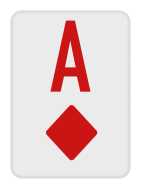
- You hold:in the cutoff.
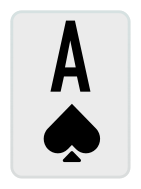
- Blinds: 50/100
- Your Stack: 10,000 chips
- Opponent's Stack: 9,800 chips (starting bounty: $10)
- Pre-Flop Action:
UTG raises to 3x BB (300 chips), you 3-bet to 900 chips, the Big Blind calls, UTG folds. - Flop: K♥ 7♠ 2♦
Best Move: Bet 40-50% pot to build value and deny equity to draws. - Turn: 9♠
Best Move: Continue betting, but keep the sizing manageable—stack preservation is key early on. - River: 3♦
Opponent shoves all-in. - Decision: Call! You win the pot AND collect their $10 bounty!
Why this works: You played solid, built the pot gradually, and let your opponent make mistakes. No unnecessary risk was taken for a small bounty.
Mid-Stage Strategy (Hunting Bounties & Adjusting to Stack Sizes)
Goal: Accumulate bounties without jeopardizing your deep-run potential.
Key Moves:
- Target short stacks with big bounties—they’re forced to gamble.
- Adjust your range—be more aggressive when the bounty equity is high.
- Use ICM (Independent Chip Model) pressure—short stacks will be reluctant to bust, so exploit them.
- Don’t chase small bounties if it risks your stack.
Example Hand Play:
- You hold:on the Button.
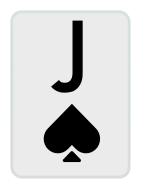
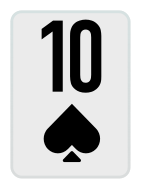
- Blinds: 600/1,200 (150 ante)
- Your Stack: 35,000 chips
- Opponent's Stack: 8,500 chips (bounty: $100)
- Pre-Flop Action:
Everyone folds to you. You raise to 2.5x BB (3,000 chips) to attack the short stack in the Big Blind. - Big Blind (short stack) shoves all-in for 8,500.
- Your Decision? Snap call! Why? The bounty is worth more than 10BB, so even if you’re slightly behind in chip EV, the bounty equity makes it a profitable call.
- Board Runs Out: J♥ 7♣ 4♦ 8♠ 2♦
You win the hand AND collect the $100 bounty!
Why this works:
- You forced the short stack to shove with a wide range.
- The bounty added extra value to the pot, making the call correct.
- Even if you lost, you still have a comfortable stack to keep playing.
Late Stage Strategy (Bubble Play & Maximizing Value from Bounties)
Goal: Take calculated risks to balance bounty hunting with pay jumps.
Key Moves:
- Short stacks with huge bounties become priority targets.
- Big stacks should bully mid-stacks—force them to fold and survive.
- ICM matters—don’t risk big pay jumps just for a bounty.
- Short stacks should shove wider—your bounty makes you an attractive target.
Example Hand Play:
- You hold:in the hijack.
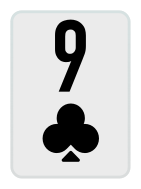
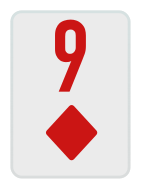
- Blinds: 20,000/40,000 (5,000 ante)
- Your Stack: 480,000 chips
- Opponent’s Stack (SB): 175,000 chips (bounty: $750!)
- Pre-Flop Action:
- You open-raise to 2.2x BB (88,000 chips).
- Small Blind shoves all-in for 175,000.
- Big Blind folds. - Your Decision? Call! Why?
- Even if your opponent has overcards (A-K, A-Q, or even A-J), you’re flipping.
- The size of the bounty adds huge value to the call.
- You still have a healthy stack even if you lose. - Board Runs Out: J♥ 5♠ 3♣ 2♦ Q♦
You lose the flip (opponent had A♠ Q♠), but it was still the correct call.
Why this works:
- The bounty value outweighed the risk.
- You made the right play, even if variance didn’t go your way.
- In PKOs, it’s not just about chips—it’s about bounty equity.
Final Table Strategy (ICM Pressure & Maximizing Profits)
At the final table, every bounty is huge, but pay jumps are also massive.
Key Adjustments:
- Big stacks = bully mode—force medium stacks into ICM mistakes.
- Short stacks = shove wider—you’re a bounty target, so make it count.
- If you have the biggest bounty, expect to be hunted—adjust accordingly!
Example Hand Play:
- You hold:in the Big Blind.
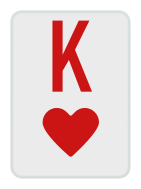
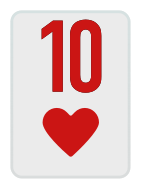
- Blinds: 100,000/200,000 (20,000 ante)
- Your Stack: 3.2M chips (Second biggest at the table)
- Opponent's Stack (Button): 1.1M chips (bounty: $2,500!)
- Pre-Flop Action:
Button shoves all-in for 1.1M. - Your Decision? Snap call. Why?
- Even if you’re flipping, the bounty equity + chip EV makes it profitable.
- Opponent is desperate and likely shoving wide.
- You deny a competitor chips while boosting your bounty potential.
Board Runs Out: K♠ 7♦ 2♥ 5♠ J♠
You win the hand, eliminate your opponent, and claim their $2,500 bounty!
Why this works:
- You leveraged ICM pressure—your opponent was desperate, so their range was weak.
- The bounty was massive, justifying the call.
- You increased your own bounty, making future knockouts even more valuable.
Online vs. Live PKO Tournaments: What's The Difference?
Online and live PKO tournaments: Same game, different arenas. Here's the edge:
Online PKOs
- Automated dealing and betting protocols create a significantly faster pace.
- Online platforms offer a range of stakes and formats, with more flexibility in tournament selection.
- Some sites allow multi-tabling. Play multiple tournaments at the same time for increased volume and potential profit.
Live PKOs
- There's a slower pace of play. But you get more time to think and play deliberately.
- You can observe physical tells and body language. Gain valuable insight into your opponent's hand strength and intentions.
- Live tournaments are inherently social events. Gather information, influence opponents, and create a psychological advantage.
Expert Tips For PKOs
Use these expert tips to knock out your opponents and rake up their bounties:
- Prioritize knockouts: In the later tournament stages, go for big bounties rather than a massive chip stack.
- Target short-stacked players: Players with short stacks (small amounts of chips) are more likely to make desperate decisions to win chips and stay in the game. Aggressively target them. They're prime for elimination.
- Use position to your advantage: When you're in a late position (close to the dealer button), take full advantage. See how other players act and bet before your turn. Then, use this information to control the action and maximize your bounty collections.
- Track bounty sizes: Always track your opponents' bounties and the size of your own. You need this information to target the players with the biggest price on their heads.
- Don't fear variance: PKOs often have a high level of variance. Be prepared for swings, but don't let it put you off.
- Practice: Repetition builds skill. Review your play. Learn from every bounty taken and lost.
Download the WPT Global app and dive into a world of PKO action. Claim your seat at the virtual tables and start collecting those bounties.